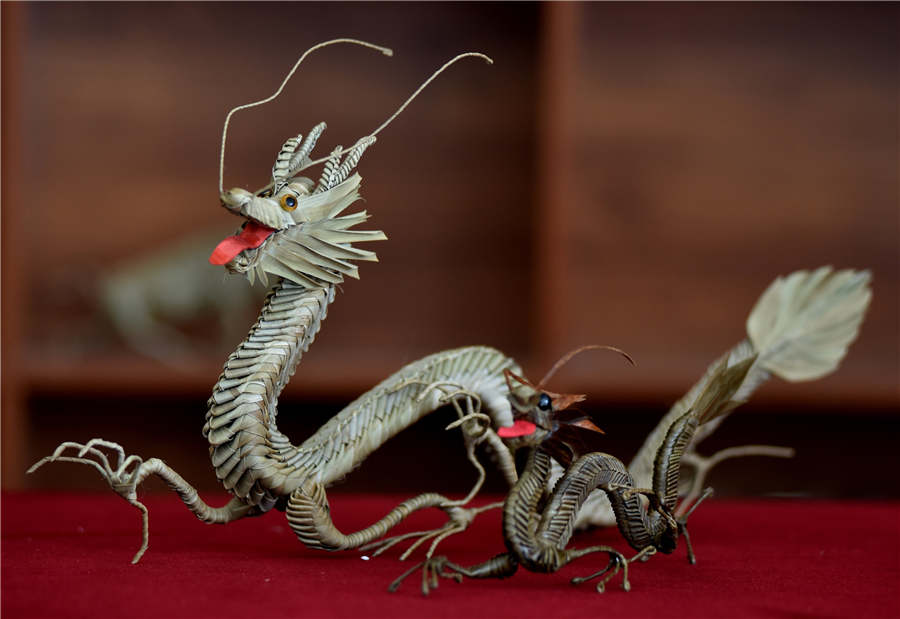
Straw Plaiting Technique
Introduction
The straw plaiting technique is a traditional craft that involves the intricate braiding of straw to create functional and decorative items. This skillful technique was recognized as a national intangible cultural heritage in China in 2008, acknowledging its historical and cultural significance.
Historical Background
Straw plaiting has deep roots in Chinese history, with the earliest straw-woven products discovered at the Hemudu Cultural Ruins in Zhejiang province, a site dating back to the Neolithic period. The Book of Rites, an ancient Confucian text, mentions straw mats and professional straw-weaving craftsmen from as early as the Zhou Dynasty (c.11th century-256 BC). Over the centuries, straw plaiting has played a vital role in the daily lives of many Chinese people, providing essential items such as baskets, hats, and mats.
Materials and Methods
The technique involves using flexible, dried stalks from various plants, including wheat, corn husks and reeds. Craftsmen meticulously select and prepare these materials, which are then woven into desired forms. The process begins with the selection of straw, which is cleaned, dried, and sometimes dyed. The straw must be soaked in warm water before weaving to ensure flexibility and prevent breakage. Artisans then sketch designs, considering both two-dimensional and three-dimensional aspects, before proceeding with the plaiting process.
Modern Development
While industrialization has led to a decline in the everyday use of straw products, the technique remains culturally significant. There are some craftsmen in China who continue to practice straw plaiting, often focusing on its artistic and cultural value rather than practical applications. There is a growing interest in straw plaiting as part of the broader movement to preserve intangible cultural heritage, with educational initiatives introducing the craft to younger generations.
The future of straw plaiting as an art form lies in its ability to adapt and innovate. Artisans like Wu Cui are exploring new designs inspired by traditional culture, such as creating products modeled on Helan Mountain's rock paintings. The government's support for folk crafts and the establishment of a tiered system of cultural heritage protection have provided a platform for straw plaiting to thrive.








